

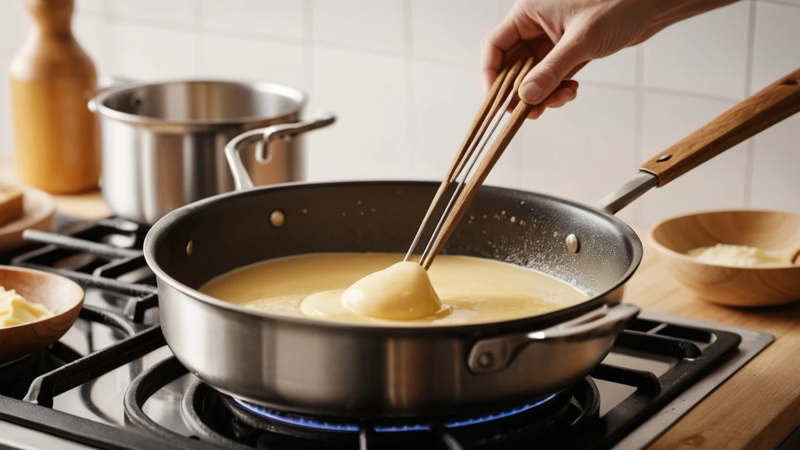
How to make a roux the easy way with simple steps, pro tips, and common mistakes to avoid for smooth, flavorful sauces.
How to make a roux is simple: cook equal parts fat and flour over gentle heat until smooth and the color you want. Stir constantly. Control the heat. Stop when it smells nutty and looks right for your recipe.
Have you ever followed a recipe perfectly, yet your sauce still tasted flat or lumpy? 😩
That problem often starts at the roux. This tiny step controls texture, flavor, and confidence in the kitchen. Once you master it, soups, gravies, and sauces instantly level up.
A roux is the backbone of comfort food. It thickens sauces, builds flavor, and adds body. The good news? You only need two ingredients and a little patience.
How To Make A Roux 🍳
What A Roux Is And Why It Matters 🧈
A roux is a cooked mixture of fat and flour. It is used to thicken sauces and soups. This simple base appears in Cajun, Creole, French, and American cooking.
The magic happens during cooking. Heat removes raw flour taste and develops flavor. The longer it cooks, the deeper the taste becomes. That’s why color matters so much.
A good roux gives sauces a smooth, silky finish. A bad roux creates lumps or bitterness. Mastering it saves you from kitchen disasters later.
Understanding The Search Intent Behind Roux 🔍
Most people searching this topic want quick clarity. They want a reliable method that works every time. They are usually beginners or home cooks.
They also want to avoid mistakes. Burning flour or making lumps is frustrating. Clear steps and timing matter more than fancy techniques.
That’s why this guide focuses on simplicity. You’ll learn the basics first, then build confidence with variations.
The Two Essential Ingredients You Need 🧾
You only need fat and flour. That’s it. No spices. No shortcuts.
Common fat options include:
- Butter
- Oil
- Bacon fat
- Chicken fat
All-purpose flour works best for beginners. It’s predictable and forgiving. Using equal amounts by weight gives the best results.
Choosing The Right Fat For Flavor 🧈
Butter gives a rich, classic taste. It’s perfect for white sauces and gravies. However, it burns faster, so heat control is key.
Oil has a higher smoke point. It’s great for darker roux and Cajun dishes. Bacon fat adds bold flavor and depth.
Choose fat based on the dish. Neutral sauces prefer butter or oil. Hearty meals love bacon or animal fats.
Understanding Roux Ratios Made Simple ⚖️
A classic roux uses a 1:1 ratio. That means equal fat and flour. Measuring by weight is best, but volume works fine at home.
Here’s a simple guide:
| Fat | Flour | Thickens |
| 1 tbsp | 1 tbsp | 1 cup liquid |
| 2 tbsp | 2 tbsp | 2 cups liquid |
| ¼ cup | ¼ cup | 4 cups liquid |
Stick to this ratio until you feel confident. Consistency comes from repetition.
Step-By-Step: How To Make A Roux 🍲
Start with a heavy pan over medium-low heat. Add the fat and let it melt completely. Sprinkle in the flour slowly while stirring.
Keep stirring with a whisk or wooden spoon. The mixture should look smooth and glossy. Do not walk away during this step.
Cook until it reaches the color you need. Lighter for creamy sauces. Darker for gumbo. Remove from heat immediately when ready.
The Four Types Of Roux Explained 🎨
Roux changes flavor as it cooks. Each stage serves a purpose. Knowing the difference helps you choose wisely.
| Roux Color | Cooking Time | Best Uses |
| White | 1–2 minutes | Béchamel, milk sauces |
| Blond | 3–5 minutes | Gravies, soups |
| Brown | 6–10 minutes | Stews, casseroles |
| Dark | 15–30 minutes | Gumbo, Cajun dishes |
Darker roux has less thickening power. Flavor increases as thickness decreases. Balance is everything.
Heat Control Is The Secret Weapon 🔥
Low and slow wins every time. High heat burns flour fast. Burnt roux tastes bitter and cannot be fixed.
Medium-low heat gives control. It allows even browning. You’ll notice a nutty aroma when it’s ready.
If it smells burnt, start over. Trust your nose more than the clock.
How To Avoid Lumps Like A Pro 🚫
Lumps happen when flour clumps before cooking. Stirring constantly prevents this. Adding liquid too fast also causes problems.
Always add warm liquid to hot roux. Pour slowly while whisking. This keeps the texture smooth.
If lumps appear, whisk harder. A quick blend can also save it.
When And How To Add Liquid 🥣
Once your roux is ready, it’s time for liquid. Stock, milk, or broth all work. Warm liquid blends best.
Pour slowly while whisking nonstop. The sauce will thicken quickly. Keep stirring until smooth.
Let it simmer for a few minutes. This activates full thickening power and smooths texture.
Common Roux Mistakes And How To Fix Them ⚠️
Burning is the biggest mistake. Always watch the pan. Never multitask during this step.
Another issue is undercooking. Raw flour tastes chalky. Cook until the smell turns nutty.
Too thick? Add more liquid. Too thin? Simmer longer or add a small slurry.
Roux For Gravy, Soups, And Sauces 🍽️
Roux adapts easily. Light roux works best for cream sauces. Blond roux shines in gravies.
Soups benefit from subtle thickening. Stews love deeper flavor. Match roux color to dish intensity.
Once you understand this pairing, cooking becomes intuitive.
Make-Ahead Roux And Storage Tips 🧊
Yes, you can make roux ahead. Let it cool completely first. Store in an airtight container.
In the fridge, it lasts about a week. In the freezer, up to three months. Portion it for convenience.
Reheat gently before using. Stir well to restore texture.
Gluten-Free And Alternative Roux Options 🌾
Gluten-free flour blends can work. Rice flour and cornstarch also thicken, but behave differently.
Oil-based roux works better with alternatives. Butter may burn faster with some flours.
Always test small batches first. Texture and flavor can vary.
Why Roux Builds Confidence In Cooking 💡
Once you master roux, recipes feel easier. You understand texture, not just instructions.
It teaches patience and heat control. Those skills transfer to many dishes.
This small technique unlocks big kitchen wins. 🙌
Final Takeaways To Remember 🧠
Roux is simple but powerful. Equal parts fat and flour. Low heat. Constant stirring.
Color determines flavor. Flavor determines dish success. Practice builds confidence fast.
Once learned, you’ll never fear sauces again.
FAQs
How do you make a roux step by step?
Melt fat, add flour, and stir constantly over low heat. Cook until smooth and nutty. Stop at the desired color.
How long should you cook a roux?
White roux takes about two minutes. Dark roux can take up to thirty minutes. Heat control matters more than time.
Can you make a roux with oil instead of butter?
Yes, oil works well and resists burning. It’s ideal for darker roux. Flavor will be lighter than butter.
Why does my roux taste bitter?
Bitter taste means it burned. Heat was too high. Unfortunately, burnt roux must be discarded.
What is the best roux for gravy?
A blond roux works best. It thickens well and adds gentle flavor. Perfect for classic gravies.









Leave a Reply