

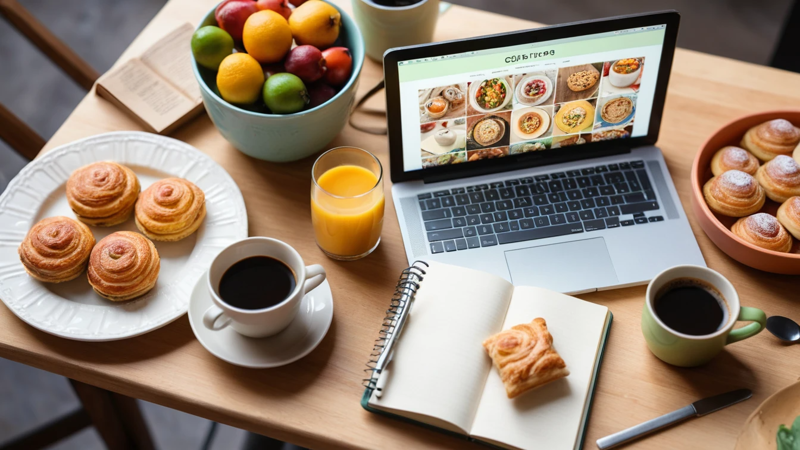
How to start a successful food blog from scratch and grow your online audience fast. Easy, practical tips for beginners ready to cook up success!
Starting a successful food blog from scratch is possible with clear planning, engaging content, and consistent promotion. Focus on your niche, create delicious recipes, and connect with your audience to grow fast.
How To Start A Successful Food Blog From Scratch 🍲
Ever wondered why some food blogs explode in popularity while others fizzle out? Starting a successful food blog isn’t just about sharing recipes; it’s about creating an experience your readers can’t resist. With the right strategy, anyone can turn their love for food into an online brand that attracts thousands of readers.
Choose Your Food Blogging Niche 🎯
Before you write your first post, decide your niche. Are you focusing on quick meals, gourmet dishes, vegan recipes, or baking delights? Narrowing your niche makes it easier to attract a dedicated audience.
A clear niche also helps with SEO ranking. Google favors sites that specialize in a specific topic. Try making a list of your favorite cooking styles, target audience, and what you enjoy sharing the most. This will become your blog’s unique identity.
Pick A Memorable Blog Name ✨
Your blog name is your brand. It should be catchy, easy to spell, and relevant. Avoid long or complicated names.
Try brainstorming names that combine your niche with personal flair. For example, Baking Bliss or Quick Vegan Eats. Once you shortlist ideas, check domain availability.
Choose The Right Blogging Platform 🖥️
Selecting the right platform is crucial for your blog’s growth. WordPress.org is highly recommended for flexibility and SEO. Alternatives include Wix, Squarespace, or Blogger for beginners.
When choosing a platform, consider:
- Ease of use
- SEO capabilities
- Customization options
- Cost and hosting needs
Get A Domain And Hosting 🔗
A strong domain paired with reliable hosting ensures your blog is professional and fast. Sites like Bluehost, SiteGround, or HostGator are beginner-friendly.
Tips:
- Keep your domain short and memorable.
- Use a .com extension for credibility.
- Choose hosting with good uptime and customer support.
Design A User-Friendly Blog Layout 🎨
First impressions matter. A clean, intuitive layout keeps readers engaged. Use:
- Clear navigation menus
- High-quality images
- Responsive design for mobile readers
Tables, bullet points, and headings make content easy to scan. Always prioritize speed and accessibility.
| Feature | Why It Matters |
| Mobile Friendly | Most users browse on phones |
| Fast Loading | Reduces bounce rate |
| Clear Navigation | Improves user experience |
Create A Content Strategy 📅
Posting randomly won’t grow your audience. Plan your content using a weekly or monthly calendar. Mix recipe posts, cooking tips, and personal stories.
A content strategy ensures consistent publishing and improves SEO performance. Use keyword research to guide topics that your audience searches for.
Master Food Photography 📸
Food blogs live or die by visuals. Invest in a good camera or smartphone with high-quality settings. Focus on:
- Proper lighting (natural light works best)
- Composition (top-down or 45-degree angle)
- Editing (brighten colors, adjust contrast)
Even simple styling with props can make your dishes look irresistible.
Write Engaging, SEO-Friendly Posts ✍️
Content should be relatable and easy to read. Use:
- Short sentences
- Subheadings
- Lists and tables
- LSI keywords like “easy recipes,” “home cooking tips”
Engage readers by sharing personal stories or cooking challenges. Google values content that answers real questions clearly.
Optimize Your Blog For SEO 🔍
SEO is your traffic engine. Focus on:
- Target keywords in titles and headings
- Meta descriptions and alt text for images
- Internal linking to other posts
| SEO Element | Best Practice |
| Title | Include main keyword |
| Meta Description | 155–165 characters, catchy |
| Images | Use alt tags with keywords |
Build An Email List 📧
Email marketing drives loyal traffic. Offer freebies like recipe ebooks or shopping lists in exchange for subscriptions.
Tips:
- Use a clear sign-up form
- Send weekly updates
- Keep emails personal and valuable
Leverage Social Media 📲
Social platforms amplify your reach. Instagram, Pinterest, and TikTok work best for food blogs. Share:
- Recipe photos and videos
- Behind-the-scenes clips
- Interactive polls or questions
Consistency is key. Post regularly and engage with followers to build community.
Collaborate With Other Bloggers 🤝
Networking boosts credibility and traffic. Guest post on other blogs, participate in link exchanges, or do recipe swaps.
Collaboration exposes your blog to new audiences. Always aim for mutually beneficial partnerships.
Monetize Your Food Blog 💰
Once your traffic grows, you can earn income. Common methods include:
- Affiliate marketing for cooking tools
- Sponsored content with food brands
- Selling ebooks, courses, or merchandise
Diversifying revenue streams increases stability and long-term growth.
Track Performance With Analytics 📊
Use Google Analytics to monitor your blog’s performance. Track:
- Pageviews and unique visitors
- Popular content
- Bounce rates
Analyze trends to optimize your content strategy and boost engagement.
| Metric | Importance |
| Traffic | Measures reach |
| Engagement | Shows reader interest |
| Conversion | Tracks email or product sign-ups |
Stay Consistent And Patient ⏳
Blogging success doesn’t happen overnight. Stick to your posting schedule and stay passionate.
Remember, quality always beats quantity. Keep learning, experimenting, and interacting with your audience for steady growth.
Engage With Your Audience 💬
Reader interaction creates loyalty. Respond to comments, ask questions, and encourage feedback.
Engaging your audience also improves your SEO ranking because Google values active communities.
Keep Improving And Learning 📚
The blogging landscape evolves quickly. Stay updated on:
- SEO trends
- Social media algorithms
- Food photography techniques
Join blogging communities, attend workshops, or take online courses to sharpen your skills.
Conclusion 🎉
Starting a successful food blog from scratch takes planning, creativity, and persistence. Focus on your niche, create high-quality content, optimize for SEO, and engage with your audience. With consistent effort, your passion for food can turn into a thriving online brand.
FAQs
How do I choose a food blog niche?
Pick a topic you love and are knowledgeable about. Consider what your audience searches for. Narrowing your niche boosts your blog’s focus.
What’s the best platform for beginners?
WordPress.org is ideal for flexibility and SEO. Wix and Squarespace are beginner-friendly alternatives. Choose based on ease and budget.
How often should I post on my blog?
Start with 1–2 posts per week. Consistency matters more than frequency. Adjust as your audience grows.
Can I make money from a food blog?
Yes! Through affiliate marketing, sponsored content, and selling products. Monetization grows with traffic and engagement.
Do I need professional photography for a food blog?
Not necessarily. Good lighting, composition, and editing can make your food look amazing. Practice improves results over time.




Leave a Reply