

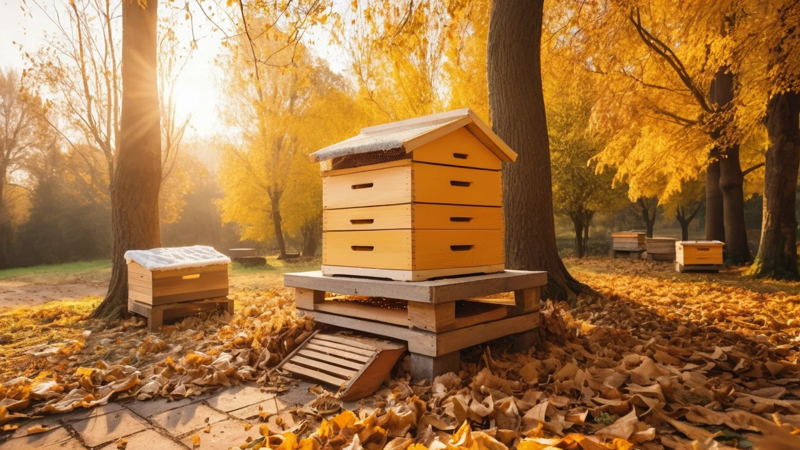
Preparing a bee hive for winter helps small-scale beekeepers protect colonies, reduce losses, and start spring strong with simple steps.
Preparing a bee hive for winter means protecting your bees from cold, hunger, moisture, and stress so they survive until spring.
For small-scale beekeepers, simple steps like food checks, insulation, and pest control can make the difference between loss and success.
Preparing a Bee Hive for Winter
Ever wonder why some hives thrive in spring while others never make it? 🐝 Winter is the real test of beekeeping skills. The good news? You don’t need fancy tools or years of experience. You just need the right plan, done at the right time.
Preparing a bee hive for winter is about supporting natural bee behavior, not fighting it. Bees know how to survive cold. They just need a little help from you.
Why Winter Prep Matters For Small-Scale Beekeepers ❄️
Winter is the hardest season for honey bees. Flowers disappear, temperatures drop, and food becomes limited. Without help, colonies can starve or freeze.
Small-scale beekeepers often have fewer hives. That makes every colony more valuable. Losing even one hive hurts emotionally and financially.
Good winter prep reduces stress inside the hive. Calm, healthy bees conserve energy better. That means higher survival and a stronger spring buildup 🌱.
Understanding How Bees Survive Winter 🧠
Bees don’t hibernate like bears. They form a tight cluster around the queen. This cluster creates heat by vibrating their muscles.
The bees slowly move upward while eating stored honey. If food runs out, they starve—even if it’s warm outside. That’s why food placement matters.
Moisture is a bigger danger than cold. Wet bees die faster. Proper airflow keeps the hive dry while still warm.
When To Start Preparing A Bee Hive For Winter ⏰
Winter prep starts earlier than most beginners think. Late summer is the best time to begin planning. Waiting until cold weather is often too late.
Fall inspections help you spot weak colonies. Weak hives struggle to survive winter even with help. Combining colonies early can save bees.
Aim to finish major prep 4–6 weeks before your first hard frost. That gives bees time to adjust naturally.
Checking Colony Strength Before Cold Sets In 🔍
Strong colonies survive winter better. You want a solid population of healthy bees. Thin clusters often fail in long cold spells.
Look for steady brood patterns in early fall. That means the queen is laying well. A failing queen should be replaced early.
Healthy hives show calm behavior. Aggressive or scattered bees can signal stress or disease.
Ensuring Enough Honey Stores For Winter 🍯
Food is the number one winter survival factor. Bees need stored honey to generate heat. Without it, they die quickly.
A general rule is 60–90 pounds of honey per hive. Colder regions need more. Warmer regions need slightly less.
Check frames carefully. Honey should be capped and near the cluster area for easy access.
Winter Honey Needs By Climate
| Climate Type | Recommended Honey Stores |
| Mild Winters | 60–70 lbs |
| Moderate Cold | 70–80 lbs |
| Harsh Winters | 80–90 lbs |
Feeding Bees Before Winter If Needed 🥄
If honey stores are low, feeding is essential. Sugar syrup helps bees build reserves before cold hits. Feed early so bees can process it.
Use thick syrup ratios in fall. Thin syrup cools bees and wastes energy. Stop liquid feeding once temperatures drop.
Emergency winter feeding uses solid sugar or fondant. This is only a backup option, not a primary plan.
Reducing Hive Space To Keep Bees Warm 📦
Too much space makes it harder for bees to heat the hive. Empty boxes trap cold air. That stresses the cluster.
Remove unused supers in fall. Keep only boxes filled with bees and food. Smaller space equals better heat control.
Think of it like heating one room instead of five. Bees stay warmer with less effort.
Insulating The Beehive Without Blocking Airflow 🧤
Insulation helps regulate temperature swings. It keeps heat in and reduces condensation. But airflow must remain open.
Wrap hives with breathable insulation. Avoid plastic directly against wood. Trapped moisture is deadly.
Top insulation is especially important. Warm air rises, and that’s where heat loss happens fastest.
Preventing Moisture Buildup Inside The Hive 💧
Moisture kills more bees than cold. Wet wings and bodies chill quickly. Condensation dripping onto bees is dangerous.
Provide upper ventilation. A small top entrance allows moisture to escape. It also prevents mold growth.
Tilt the hive slightly forward. This lets condensation drain out instead of pooling inside.
Protecting Hives From Winter Winds 🌬️
Cold wind strips heat fast. Windbreaks reduce energy loss from the hive. Even a small barrier helps.
Place hives near fences, bushes, or buildings. Natural wind protection works best. Avoid damp or shaded areas.
Secure hive lids tightly. Strong winds can knock covers loose and expose bees.
Managing Pests Before Winter Arrives 🐜
Pests weaken colonies before winter even starts. Mites, especially, reduce bee lifespan. Short-lived bees don’t survive winter.
Treat for mites in late summer or early fall. Healthy bees live longer and cluster better.
Also check for mice. Install mouse guards before cold weather. Mice destroy comb and stress bees.
Common Winter Threats And Solutions
| Threat | Risk | Simple Solution |
| Varroa Mites | Weak bees | Early fall treatment |
| Mice | Comb damage | Mouse entrance guards |
| Ants | Food loss | Hive stand barriers |
Adjusting Hive Entrances For Cold Weather 🚪
Smaller entrances conserve heat. Large openings let cold air rush in. Bees don’t need wide access in winter.
Reduce entrances gradually. Keep enough space for ventilation and cleansing flights.
Clear snow after storms. Blocked entrances trap moisture and suffocate bees.
Choosing The Right Hive Location For Winter 🧭
Location matters more in winter than summer. Sun exposure helps warm hives naturally. Morning sun is best.
Avoid low areas where cold air settles. Damp ground increases moisture risk. Elevated, dry spots work better.
Stable ground prevents tipping during storms. Secure stands protect your investment.
Monitoring Hives During Winter Safely 👂
Avoid opening hives in winter. Heat loss can kill bees fast. Instead, observe from outside.
Listen gently. A soft hum means life inside. Silence doesn’t always mean death, but it’s a clue.
Lift the back slightly. A very light hive may need emergency feeding.
Common Winter Mistakes Small Beekeepers Make ⚠️
Over-inspecting is a big mistake. Curiosity can cost bees their warmth. Less interference is better.
Ignoring food levels leads to starvation. Many winter losses happen inches from honey stores.
Blocking ventilation traps moisture. Warm but wet hives fail faster than cold, dry ones.
How Winter Prep Leads To Strong Spring Colonies 🌼
Good winter prep sets up spring success. Healthy bees build brood earlier. Early buildup means better honey flow.
Surviving bees are stronger workers. They forage better and resist disease. That saves time and money.
Spring inspections become easier. Strong colonies need less correction and fewer replacements 😊.
Final Thoughts On Preparing A Bee Hive For Winter 🐝
Preparing a bee hive for winter is about planning ahead and staying simple. Focus on food, moisture control, and protection. Small actions add up to big results.
Strong colonies don’t happen by accident. They’re built through steady care and smart timing. When spring arrives, your bees will thank you.
FAQs
How Do I Prepare A Bee Hive For Winter Easily?
Start early and focus on food, insulation, and ventilation. Reduce hive space and treat pests. Simple steps done on time work best.
When Should I Stop Feeding Bees Before Winter?
Stop liquid feeding before temperatures stay cold. Bees need time to process syrup. Solid feed is only for emergencies.
How Much Honey Does A Hive Need For Winter?
Most hives need 60–90 pounds of honey. Colder areas require more. Always check local climate needs.
Should I Wrap My Beehive For Winter?
Yes, light insulation helps reduce heat loss. Make sure airflow stays open. Never trap moisture inside.
Can Small Beekeepers Lose Bees In Mild Winters?
Yes, starvation and moisture still happen. Warm winters don’t guarantee survival. Prep is always necessary.






Leave a Reply