

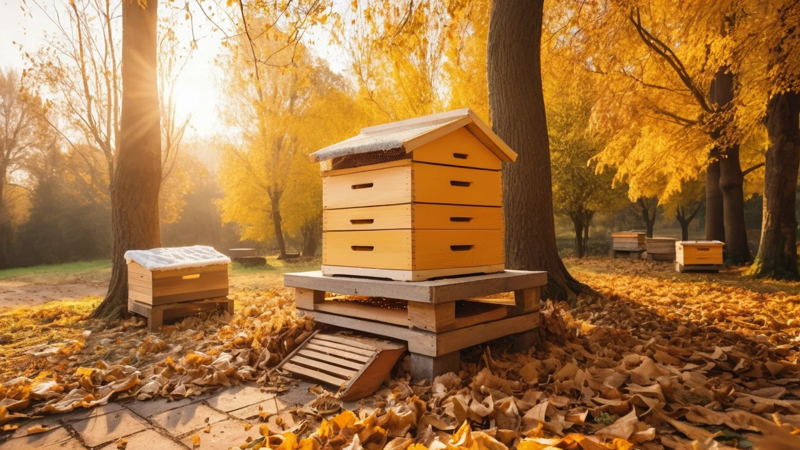
Preparing a bee hive for winter helps small-scale beekeepers protect colonies, reduce losses, and boost spring survival with simple, proven steps.
Preparing a bee hive for winter means ensuring your bees have enough food, protection, and ventilation to survive cold months. Small-scale beekeepers can successfully overwinter hives by checking colony strength, managing moisture, insulating properly, and reducing stress before temperatures drop.
Have you ever opened a hive in spring and worried whether your bees made it through winter? Preparing a bee hive for winter is one of the most important skills a small-scale beekeeper can learn. Cold weather doesn’t kill bees alone. Poor planning does. The good news? You don’t need fancy tools or years of experience to do this right.
Preparing a bee hive for winter is about smart timing, small adjustments, and understanding how bees survive cold naturally. Once you know what to check and when to act, winter prep becomes simple and predictable 😊
Preparing A Bee Hive For Winter – Understanding Winter Survival Basics 🧠🐝
Bees don’t hibernate. They form a tight cluster to stay warm. This cluster slowly moves upward as they eat stored honey. If food runs out, the colony dies—even if cold isn’t extreme.
Small-scale beekeepers must think like the bees. Warmth comes from numbers and food, not heaters. Your job is to support their natural system, not fight winter itself.
Healthy winter survival depends on three things:
- Strong population
- Adequate food
- Dry, draft-free shelter
Get these right, and bees handle the rest.
Identifying The Primary Winter Risks ⚠️🥶
Cold temperatures are not the biggest danger. Moisture and starvation cause most winter losses. Condensation dripping onto bees can chill and kill them fast.
Wind exposure is another silent threat. Strong drafts break the cluster and force bees to burn energy. That leads to early food depletion.
Common winter threats include:
- Empty or poorly stored honey frames
- Poor ventilation
- Weak or failing queens
- Excess space inside the hive
Fixing these before winter saves colonies later.
Choosing Strong Colonies Only 💪🐝
Not every hive should go into winter. Weak colonies rarely survive cold months alone. Combining weak hives is often smarter than hoping for a miracle.
A winter-ready colony should:
- Cover at least 6–8 frames of bees
- Have a solid laying queen
- Show calm, organized behavior
Trying to overwinter weak colonies drains time and resources. Focus on quality over quantity for better spring success.
Checking Colony Health Before Cold Sets In 🩺🐝
Disease and pests weaken bees long before winter arrives. Varroa mites are the biggest problem. Untreated mites shorten bee lifespans and cause winter collapse.
Inspect brood patterns. Spotty brood often means queen or health issues. Also check for signs of disease like deformed wings or unusual smells.
Healthy bees live longer. Longer-living bees mean a stronger winter cluster and better spring buildup.
Managing Varroa Mites Early 🐜🚫
Mite treatment must happen before fall temperatures drop. Late treatments are less effective and stress bees when they need strength.
Choose treatments suitable for your climate and hive type. Follow directions closely. Over-treating harms bees just as much as ignoring mites.
Successful small-scale beekeepers track mite levels regularly. Prevention is always easier than recovery.
Ensuring Adequate Honey Stores 🍯📦
Food is survival. Bees need enough honey to last until spring flowers bloom. In most regions, this means 60–90 pounds of honey per hive.
Lift the hive from the back. If it feels light, it needs feeding. Bees can’t forage in winter, so everything must be stored beforehand.
Average Winter Honey Needs By Region
| Climate Type | Honey Needed | Risk Level |
| Mild Winters | 60 lbs | Low |
| Moderate Cold | 70–80 lbs | Medium |
| Harsh Winters | 90+ lbs | High |
Never assume “they’ll be fine.” Always confirm stores.
Supplemental Feeding Before Winter 🍬🐝
If honey stores are low, feed bees early fall. Thick sugar syrup (2:1 ratio) helps them store food fast.
Stop liquid feeding once temperatures drop consistently. Cold syrup can chill bees. Switch to solid options like sugar bricks if needed.
Never wait until snow falls. Feeding too late often fails.
Reducing Hive Space Strategically 📦⬇️
Too much empty space makes it harder for bees to stay warm. Remove unused boxes before winter begins.
Bees should fill most of the remaining frames. Extra boxes invite cold air and moisture buildup.
Think “cozy, not cramped.” Proper space management conserves energy all winter.
Improving Hive Insulation 🧣🏠
Insulation helps maintain stable temperatures. Wrapping hives or adding insulated covers reduces heat loss.
You don’t need expensive gear. Foam boards, tar paper, or insulated wraps work well. Focus on the top and sides.
Insulation works best when combined with ventilation. Warm and wet is worse than cold and dry.
Managing Moisture The Right Way 💧❄️
Moisture kills more bees than cold. Warm air rises and condenses on cold hive lids. Dripping water chills the cluster.
Add upper ventilation or moisture boards. Quilt boxes are also effective for absorbing condensation.
Moisture Control Options
| Method | Purpose | Skill Level |
| Upper Entrance | Ventilation | Easy |
| Quilt Box | Absorbs Moisture | Medium |
| Moisture Board | Reduces Condensation | Easy |
Dry bees survive better than warm, wet bees.
Adjusting Hive Entrances 🐝🚪
Reduce entrance size to keep out mice and cold winds. Small openings help bees defend the hive and maintain warmth.
Install mouse guards before temperatures drop. Mice love warm hives and destroy comb fast.
Entrances should still allow airflow. Balance protection with ventilation.
Positioning The Hive For Winter 🌬️🌞
Hive placement matters more in winter. Face entrances away from prevailing winds. Morning sun helps bees warm up and take cleansing flights.
Avoid low, damp areas. Cold air settles there and increases moisture risks.
Even small location changes can improve winter survival rates.
Timing Your Final Hive Inspection ⏰🐝
Do your last full inspection before consistent cold weather. After that, avoid opening the hive.
Disturbing the cluster wastes energy. Quick external checks are fine, but no deep inspections.
Trust your prep. Winter is about leaving bees alone.
Winter Monitoring Without Disturbance 👀❄️
You can still monitor hives safely. Listen for buzzing sounds using a stethoscope or your ear. Lift slightly to check weight.
Look for snow blocking entrances. Clear gently without opening the hive.
Observation beats interference during winter months.
Common Winter Mistakes To Avoid 🚫🐝
Many losses come from good intentions gone wrong. Overfeeding late, poor ventilation, and constant checking hurt colonies.
Avoid these mistakes:
- Opening hives in freezing weather
- Ignoring mite levels
- Leaving excess space
- Blocking all airflow
Simple, steady preparation beats last-minute panic.
What Small-Scale Beekeepers Should Prioritize 🎯🐝
Small-scale beekeepers have an advantage. Fewer hives mean better attention to detail.
Focus on:
- Strong queens
- Healthy bees
- Enough food
- Dry, insulated hives
You don’t need perfection. You need consistency.
Preparing Mentally For Winter Losses 🧘♂️🐝
Even with perfect prep, some losses happen. Weather, genetics, and unseen factors play a role.
Use winter as a learning season. Take notes. Adjust next year.
Every experienced beekeeper has lost colonies. What matters is learning and improving.
Planning For Spring While It’s Still Winter 🌱🐝
Winter prep doesn’t end in fall. Order equipment early. Plan splits. Prepare replacement queens if needed.
Healthy overwintered colonies explode in spring growth. Good winter prep sets the stage for strong honey flows later.
Think ahead. Your future bees will thank you 😊
Conclusion 🌟🐝
Preparing a bee hive for winter is about understanding bees, not fighting nature. Strong colonies, enough food, moisture control, and minimal disturbance make all the difference. Small-scale beekeepers who plan early and stay consistent see higher survival rates and stronger spring hives. Winter success starts long before the first frost.
FAQs ❓🐝
How early should I prepare a hive for winter?
Start preparing in late summer or early fall. This gives bees time to store food. Early prep prevents last-minute stress.
How much honey does a hive need for winter?
Most hives need 60–90 pounds of honey. Colder climates require more. Always check hive weight.
Should I wrap my beehive in winter?
Wrapping helps in cold, windy areas. It reduces heat loss and stress. Always allow ventilation.
Can bees survive winter without feeding?
Yes, if they have enough stored honey. If stores are low, feeding is necessary. Never assume food is sufficient.
Is opening the hive in winter harmful?
Yes, frequent opening breaks the cluster. This causes energy loss. Only do external checks during winter.





Leave a Reply