

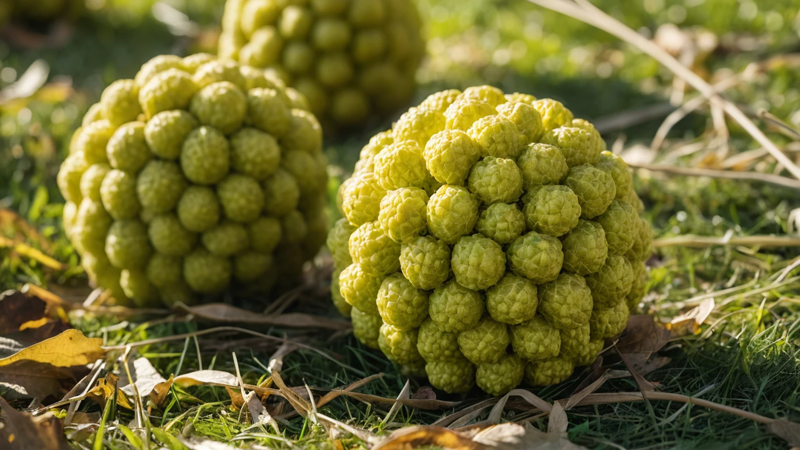
Monkey balls are unique fruits with surprising uses, myths, and benefits. Learn what they are and why people use them at home.
Monkey balls are large, green, wrinkled fruits from the Maclura pomifera tree. They are often used as natural pest repellents and home decor. Though not edible for humans, they have many interesting uses and myths.
Monkey Balls: The Ultimate Guide To Uses, Benefits, And Myths 🍏
Have you ever seen a strange green ball and wondered if it’s useful or just weird?
Monkey balls are not actually from monkeys. They are fruits from the Osage orange tree. People also call them hedge apples. These fruits are large, bumpy, and bright green. At first glance, they look unusual and even confusing.
But here’s the interesting part: people have used monkey balls for years. They are believed to repel insects. Some use them for decoration. Others are simply curious about their purpose. Let’s explore everything you need to know.
What Are Monkey Balls? 🤔
Monkey balls come from the Osage orange tree. This tree grows mainly in North America. The fruit is round and has a rough, brain-like texture. It usually appears in fall.
These fruits are not edible for humans. They have a bitter taste and sticky sap. However, animals like squirrels may nibble on them. The fruit’s real value comes from its uses, not taste.
Many people confuse monkey balls with citrus fruits. But they are not related to oranges. The name comes from their shape and color, not their family.
Why Are They Called Monkey Balls? 🐒
The name “monkey balls” sounds funny, right? It comes from folklore. People believed monkeys once ate these fruits. But there is no strong evidence to support this.
Another theory suggests extinct animals ate them long ago. Some scientists believe large prehistoric animals helped spread their seeds. That’s why the fruit is so large.
Today, the name sticks because it is catchy. You may also hear names like:
- Hedge apples
- Horse apples
- Bois d’arc fruit
What Does A Monkey Ball Look Like? 👀
Monkey balls are easy to recognize. They are bright green and about the size of a softball. The surface is wrinkled and uneven.
Here’s a quick breakdown:
| Feature | Description |
| Color | Bright green |
| Size | 3–6 inches wide |
| Texture | Bumpy and rough |
| Shape | Round or slightly oval |
When cut open, they release a sticky white sap. This sap can irritate skin, so be careful.
Where Do Monkey Balls Grow? 🌳
Monkey balls grow on the Osage orange tree. This tree is native to parts of the United States. It thrives in warm climates.
You will often find these trees in:
- Fields
- Roadsides
- Old farm areas
The tree was once used as a natural fence. Its dense branches made it hard for animals to pass through.
Today, it is still valued for its strong wood and unique fruit.
Are Monkey Balls Edible? 🍽️
Short answer: No, they are not edible for humans.
The fruit tastes bitter and has a sticky texture. It is not toxic, but it is not pleasant to eat. Most people avoid it.
Animals sometimes eat parts of it. Squirrels, in particular, enjoy the seeds inside. But even they don’t eat the whole fruit.
If you’re thinking about trying it, it’s best not to.
Do Monkey Balls Repel Insects? 🐜
This is one of the biggest reasons people keep monkey balls.
Many believe they repel insects like:
- Spiders
- Cockroaches
- Ants
The fruit contains natural compounds. These may have mild insect-repelling properties. However, the effect is not very strong.
Still, people place them in basements and corners. It’s a natural option, even if results vary.
How To Use Monkey Balls At Home 🏡
Using monkey balls is simple. You don’t need any special tools.
Here are common ways:
- Place them in corners of rooms
- Keep them in basements
- Put them near doors or windows
Some people cut them in half. This may release more scent. But it also makes them messy.
Tip: Replace them every few weeks for best results.
Monkey Balls As Natural Pest Control 🛑
Many homeowners prefer natural solutions. Monkey balls are one of them.
Here’s a quick comparison:
| Method | Effectiveness | Safety | Cost |
| Monkey balls | Low–Moderate | Very safe | Low |
| Chemical sprays | High | Moderate | Medium |
| Traps | Moderate | Safe | Low |
They are not a perfect solution. But they are chemical-free. That makes them appealing.
Are Monkey Balls Toxic? ⚠️
Monkey balls are not highly toxic. But they can cause mild irritation.
The sap may irritate skin. It can also cause stomach upset if eaten in large amounts.
Pets usually avoid them. But it’s still best to keep them out of reach.
Always wash your hands after handling them.
Benefits Of Monkey Balls 🌿
Even though they are not edible, they have benefits.
- Natural insect deterrent
- Eco-friendly option
- Unique decorative item
- Low cost
They are especially popular among people who prefer natural living.
Common Myths About Monkey Balls 🧠
There are many myths around monkey balls.
Myth 1: They completely eliminate pests
Truth: They may help, but not fully.
Myth 2: They are poisonous
Truth: They are mildly irritating, not deadly.
Myth 3: Monkeys eat them
Truth: No strong evidence supports this.
Understanding these myths helps you use them better.
How Long Do Monkey Balls Last? ⏳
Monkey balls don’t last forever. They dry out over time.
Typically, they last:
- Fresh: 2–4 weeks
- Dried: Several months
As they dry, they shrink and turn brown. Their effectiveness may decrease.
Replace them regularly if you use them for pests.
Can You Grow Your Own Monkey Balls? 🌱
Yes, you can grow your own Osage orange tree.
Here’s how:
- Collect seeds from the fruit
- Plant them in well-drained soil
- Water regularly
- Wait patiently
These trees grow slowly. But they are very strong and long-lasting.
Monkey Balls In Home Decor 🛋️
Monkey balls are not just functional. They also look interesting.
People use them in:
- Rustic decor
- Fall displays
- Centerpieces
Their unique texture adds character. You can place them in bowls or baskets.
They are simple, natural, and eye-catching.
Seasonal Availability Of Monkey Balls 📅
Monkey balls appear in fall. That’s when they drop from trees.
Here’s a quick guide:
| Season | Availability |
| Spring | Not available |
| Summer | Rare |
| Fall | High |
| Winter | Limited |
Fall is the best time to collect them.
Should You Use Monkey Balls? 👍
It depends on your needs.
If you want a natural option, they are worth trying. They are safe and affordable. But don’t expect miracles.
They work best when combined with other pest control methods. Think of them as a helpful addition, not a full solution.
Conclusion 🧾
Monkey balls are strange but useful fruits. They come from the Osage orange tree and have been used for years. While not edible, they serve as natural pest deterrents and decor items. Their effectiveness may vary, but they remain a popular eco-friendly choice. If you want a simple, natural solution, they are worth trying.
FAQs ❓
What Are Monkey Balls Used For In Homes?
Monkey balls are mainly used to repel insects naturally. People place them in corners and basements. They also use them as decoration.
Do Monkey Balls Really Keep Spiders Away?
They may help reduce spiders slightly. The natural compounds can deter insects. But results are not guaranteed.
Are Monkey Balls Safe Around Pets?
They are mostly safe but can cause mild irritation. Pets usually avoid them. Keep them out of reach to be safe.
How Do You Store Monkey Balls Properly?
Keep them in a dry, cool place. Avoid moisture to prevent rotting. Replace them once they dry out.
Why Do Monkey Balls Smell Strange When Cut?
Cutting releases natural oils and sap. This creates a strong, unusual smell. Some believe this helps repel insects.



Leave a Reply