

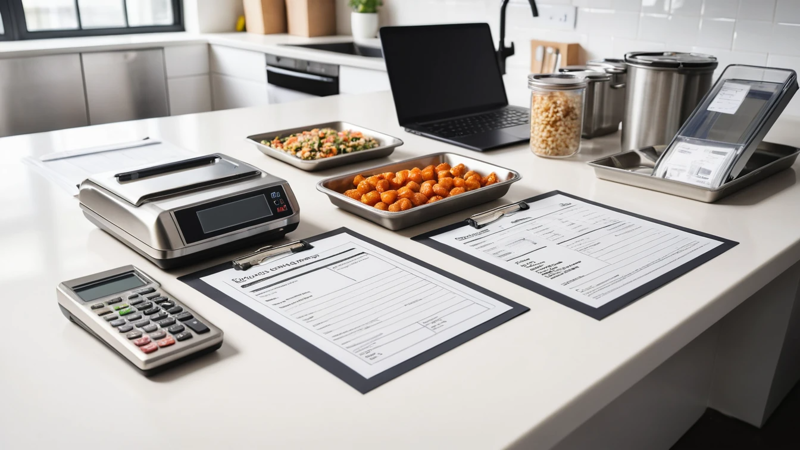
Legal requirements for starting a food business explained simply. Learn licenses, permits, and rules to launch legally and confidently.
Legal requirements for starting a food business include registering your business, getting the right licenses, following food safety laws, meeting zoning rules, and staying tax-compliant. These rules protect customers, reduce legal risk, and help your food business run smoothly from day one.
Ever wondered why some food businesses shut down fast while others grow smoothly? The difference is often legal readiness. If you want to start a food business the right way, understanding legal requirements is not optional—it’s essential.
Starting a food business means more than cooking great food. You must follow specific laws to operate legally in the U.S. These rules cover registration, permits, food safety, labeling, and taxes. When done correctly, they protect you, your customers, and your brand 🍽️.
Understanding Legal Requirements For Starting A Food Business 📋
Legal requirements for starting a food business are the rules set by federal, state, and local authorities. These rules ensure food safety and fair business practices. Every food business must comply, no matter the size.
These laws apply to home kitchens, food trucks, bakeries, and restaurants. Skipping even one requirement can lead to fines or closure. That’s why clarity matters early on.
Following legal rules also builds trust. Customers feel safer buying from a licensed business. That trust helps long-term growth.
Identifying The Primary Search Intent 🔍
The main intent behind this topic is informational with commercial action. People want clear steps to start legally. They also want to avoid mistakes.
Most readers are planning to start a food business soon. They want practical guidance, not legal jargon. They are searching for confidence and clarity.
This article focuses on what you must do and why it matters. Simple steps. Real-world clarity.
Choosing The Right Food Business Structure 🏢
Your business structure affects taxes, liability, and paperwork. Common options include sole proprietorship, LLC, and corporation. Most small food businesses choose an LLC.
An LLC protects your personal assets. It separates your money from business risks. This matters in food-related liability cases.
Choose wisely before applying for licenses. Changing structures later is costly and confusing.
Registering Your Food Business Name 📝
You must register your business name with the state or county. This makes your business official. It also prevents name conflicts.
If using a different name than your legal one, file a DBA. This is common for food brands. It helps customers recognize you.
A registered name builds credibility. It also allows you to open a business bank account.
Federal Licenses And Employer Identification Number (EIN) 🇺🇸
Most food businesses need an EIN from the IRS. It’s free and easy to apply. Think of it as a Social Security number for your business.
An EIN is required if you hire employees. It’s also needed for taxes and banking. Even solo owners benefit from having one.
Federal licenses may apply if you ship food across state lines. Always check early to avoid surprises.
State And Local Food Business Permits 🏛️
State and local permits are mandatory. These include food establishment permits and health department approvals. Requirements vary by location.
Local authorities inspect your kitchen setup. They ensure cleanliness and safe food handling. Passing inspections is critical.
Apply for permits before opening. Operating without them can shut your business down fast.
Common Food Business Permits
| Permit Type | Purpose | Issuing Authority |
| Food Establishment Permit | Allows food sales | Local Health Dept |
| Sales Tax Permit | Collect sales tax | State Tax Office |
| Zoning Permit | Confirms location use | City or County |
Health Department Approval And Inspections 🧼
Health inspections ensure food safety standards. Inspectors check hygiene, storage, and equipment. They also review staff practices.
You may need a pre-opening inspection. Some areas require routine follow-ups. Failing inspections delays your opening.
Passing inspections boosts confidence. It shows your business takes safety seriously 👍.
Food Safety Certification Requirements 🥗
Most states require food safety training. At least one person must be certified. This is often the owner or manager.
Certification covers food handling, temperature control, and contamination prevention. Courses are affordable and quick.
This training reduces risk. It also helps during inspections and audits.
Home-Based Food Business Legal Rules 🏠
Home food businesses must follow cottage food laws. These laws limit what you can sell. They also cap income in some states.
You may need home kitchen inspections. Labels must meet strict guidelines. Some foods are prohibited entirely.
Always check state-specific rules. Home-based laws vary widely across the U.S.
Cottage Food Law Overview
| Requirement | Typical Rule |
| Allowed Foods | Non-perishable items |
| Sales Channels | Direct-to-consumer |
| Labeling | Required allergen info |
Zoning And Location Compliance 📍
Zoning laws decide where you can operate. Not all areas allow food businesses. This includes home kitchens and food trucks.
Before signing a lease, confirm zoning approval. Many businesses fail here. It’s an expensive mistake.
Zoning approval protects community safety. It also prevents legal disputes later.
Food Labeling And Packaging Laws 🏷️
Food labels must be accurate and clear. They must list ingredients, allergens, and net weight. Mislabeling is a serious violation.
Packaged food sold retail has stricter rules. This includes nutritional information. Some exemptions exist for small producers.
Correct labeling builds trust. It also protects customers with allergies ❤️.
Insurance Requirements For Food Businesses 🛡️
Insurance is not always legally required, but often expected. Many landlords and vendors require proof. It protects you financially.
Common types include general liability and product liability insurance. These cover injuries and food-related claims.
Insurance adds credibility. It shows professionalism and responsibility.
Tax Registration And Compliance 💰
You must register for state and local taxes. This includes sales tax and payroll tax if applicable. Missing registrations cause penalties.
Keep records from day one. Use accounting software or a professional. Clean books reduce stress.
Tax compliance keeps your business safe. It also makes growth easier later.
Key Taxes Food Businesses Handle
| Tax Type | Applies When |
| Sales Tax | Selling taxable food |
| Payroll Tax | Hiring employees |
| Income Tax | Annual earnings |
Employee Hiring And Labor Laws 👩🍳
Hiring staff adds legal responsibilities. You must follow wage laws and labor rules. This includes minimum wage and overtime.
Post required labor notices visibly. Maintain proper records. Missteps can be costly.
Treat employees fairly. Legal compliance improves retention and morale.
Food Truck And Mobile Vendor Laws 🚚
Food trucks face extra regulations. These include vehicle inspections and parking permits. Some cities limit operating zones.
You may need multiple permits. One from the health department. Another from transportation authorities.
Mobile food businesses must plan carefully. Rules change by city.
Renewals And Ongoing Legal Compliance 🔄
Licenses and permits expire. Renewal dates vary. Missing renewals can halt operations.
Set reminders early. Keep copies of approvals organized. Consistency avoids stress.
Legal compliance is ongoing. Treat it as part of daily operations.
Common Legal Mistakes To Avoid ❌
Many new owners skip research. Others rush applications. Both lead to problems.
Avoid operating before approval. Don’t ignore inspections. Never guess legal requirements.
Slow and correct beats fast and risky. Always double-check rules.
Conclusion: Start Legal, Grow Confident 🚀
Legal requirements for starting a food business may feel overwhelming at first. But breaking them into steps makes them manageable. Registration, permits, safety rules, and taxes all work together to protect your business.
When you start legally, you build trust. You avoid costly mistakes. Most importantly, you create a strong foundation for long-term success.
Do it right from day one. Your future self will thank you 😊.
FAQs
What licenses do I need to start a food business?
You usually need a food establishment permit, business registration, and tax permit. Requirements vary by location. Always check local rules first.
Can I start a food business from home legally?
Yes, under cottage food laws in many states. Only certain foods are allowed. You must follow labeling and sales rules.
Do I need insurance to start a food business?
Insurance is not always required by law. However, landlords and partners often require it. It protects you from lawsuits.
How long does food business licensing take?
Licensing can take weeks or months. Inspections and approvals affect timelines. Apply early to avoid delays.
What happens if I skip food business permits?
You risk fines, shutdowns, and legal action. Operating illegally damages trust. Always secure permits before selling.


Leave a Reply