

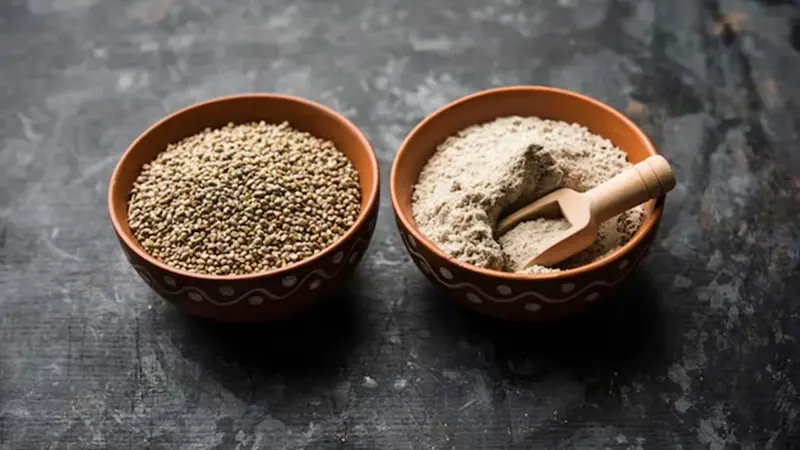
You wake up, make rotis with the same white wheat flour your family has used for decades. By mid-morning, you are already hungry again. By afternoon, your energy has drained. By evening, you are hungry again, and this is where there are higher chances of a sugar spike. At the end? You become a home for a lot of diseases.
Millions of Indians are caught in a nutritional trap while ignoring the millets benefits. They’ve been eating three meals a day and still running on empty. Bloating, fatigue, sluggish digestion, rising blood sugar, and unexplained weight gain all of these inconveniences become a new normal.
The signs show that the individual’s diet has slowly moved away from the ancient grains that kept this civilisation going strong for thousands of years. The good news is this: those millets and grains are making a comeback.
And if you are serious about your health, your family’s wellbeing, and the quality of what goes into your body every single day, this guide is the only place you need to start.
How India Got Into The Wheat Trap?
An old Hindi saying which goes like, “Jo dikhta hai, woh bikta hai (what is visible, sells)”. It is quite evident that refined wheat flour has been everywhere for ages because it’s cheap, widely available, and easy to cook with.
Here is an uncomfortable truth: Convenience came at a cost.
According to ICMR, India now has over 101 million people living with diabetes and another 136 million in the pre-diabetic range. Plus, the National Family Health Survey (NFHS-5) reports that 57% of Indian women and 25% of Indian men are anemic. Obesity rates have tripled. And refined flour is the reason.
It has a 70–85 glycaemic index, causes a quick spike in blood sugar, provides very little fibre, and deprives the body of the slow-burning fuel it truly needs. Meanwhile, the ancient grains like jowar, bajra, ragi, or khapli wheat carry GI between 41-62, rich in fibre, magnesium, iron, zinc, and antioxidants.
So, the question isn’t whether we should go back to them. The question is why it took us this long.
The Comeback of Ancient Grains
These are gluten free grains or seeds that have remained unchanged over thousands of years. They are especially bred for yield, shelf life, and gluten content. Hence, they retain their original nutritional structure.
Below, you can find the years-old grains that were globally recognized:
- Millets: Jowar, Bajra, Ragi, Foxtail, and Little Millet.
- Heritage Wheats: Khapli (Emmer), Einkorn, and Khorasan (Kamut).
- Pseudocereals: Amaranth, Buckwheat, and Quinoa.
People in the West are rediscovering these grains after decades of absence, but India never truly lost them; they simply stopped prioritizing them. In some instances, it is found that they exist in regional cuisines, local markets, and ancestral recipes across every state.
Benefits of Millets
Millet cultivation in India dates back over 5,000 years. They were the staple crop long before rice or wheat dominated Indian agriculture. So, let’s move beyond general claims and look at healthy alternatives to wheat and their benefits:
- Blood Sugar Management: Millets benefits individuals with a low glycaemic index (typically between 41 and 55). This means that the body processes food slowly and produces a steady energy release rather than a sharp glucose spike.
- Gut Health: Millets are exceptionally high in both soluble and insoluble dietary fibre. However, you can consider taking high dietary fibre from whole grains. This significantly reduces inflammation, supports beneficial bacterial growth, and lowers the risk of colorectal disease.
- Heart Health: Bajra attas are healthy alternatives to wheat as they contain high levels of magnesium, which benefits individuals by relaxing their blood vessels and supporting healthy blood pressure.
- Iron and Anemia: Besides protein, iron deficiency is again a matter of concern in India. To bridge that gap, ragi (Finger Millet) can be an ultimate solution. Usually, it contains 3.9 mg of iron per 100g, which is significantly higher than polished rice (0.7 mg) or refined wheat flour (2.7 mg). In contrast, for India’s anemia burden, relying on millets could be a significant change.
- Weight Management: Ancient millets in India have high protein and fibre content, which makes you feel full for longer, eat less frequently, and reduce overall calorie intake without conscious restriction. Even in a study conducted by the Journal of Food Science and Technology (in 2000), it was found that millet-based diets reduce BMI markers more effectively than wheat-based diets over a 12-week period.
That’s for millets benefits, but their real value lies in how easily they fit into everyday meals while supporting long-term health and balanced nutrition.
Final Words
To conclude, we can say India’s ancient grain relevance has never disappeared. It is just waiting for us to realize how important they are and start prioritizing them over wheat.
For example, you can still find them in the farms of Rajasthan, the innovative kitchens of Maharashtra, the memory of every grandmother, or your mother. Our elders already knew that rotis made with ragi atta in winter and jowar bhakri in summer were not just a tradition. Back then, they were the healthiest choice.
Bringing millets and ancient gluten free grains back to Indian kitchens means less water consumption, stronger farmer incomes, stronger domestic agriculture, and produces less greenhouse gas emissions than rice or wheat.





Leave a Reply